
Washington, D.C. – February 21, 2026 – The U.S. Supreme Court delivered a sharp setback to President Donald Trump’s trade strategy yesterday, ruling that he exceeded his authority by using a 1977 emergency law to impose massive tariffs on imports from nearly every country in the world.
In a 6-3 decision written by Chief Justice John Roberts, the Court held that the International Emergency Economic Powers Act (IEEPA) does not give the president the power to levy tariffs. The Constitution assigns that authority to Congress alone, and IEEPA – designed for sanctions and asset freezes in national emergencies – contains no mention of tariffs or duties. No previous president had interpreted it this way.
Trump invoked IEEPA in 2025 to declare emergencies over fentanyl inflows from Mexico, Canada, and China, plus America’s persistent trade deficits that he said were gutting manufacturing jobs and supply chains. This justified broad tariffs: 25% on many goods from Canada and Mexico, 10%+ on China, and at least 10% (often higher) on imports from dozens of other nations. These brought in an estimated $130–175 billion (some projections over $200 billion) in revenue last year, though costs were largely passed to U.S. consumers through higher prices on clothes, electronics, and more.
The ruling – a rare cross-ideological win with Roberts joined by Justices Gorsuch and Barrett (Trump appointees) plus the three liberals – marks Trump’s biggest Supreme Court loss in his second term. Dissenters Thomas, Alito, and Kavanaugh argued the president needed flexibility for economic threats.
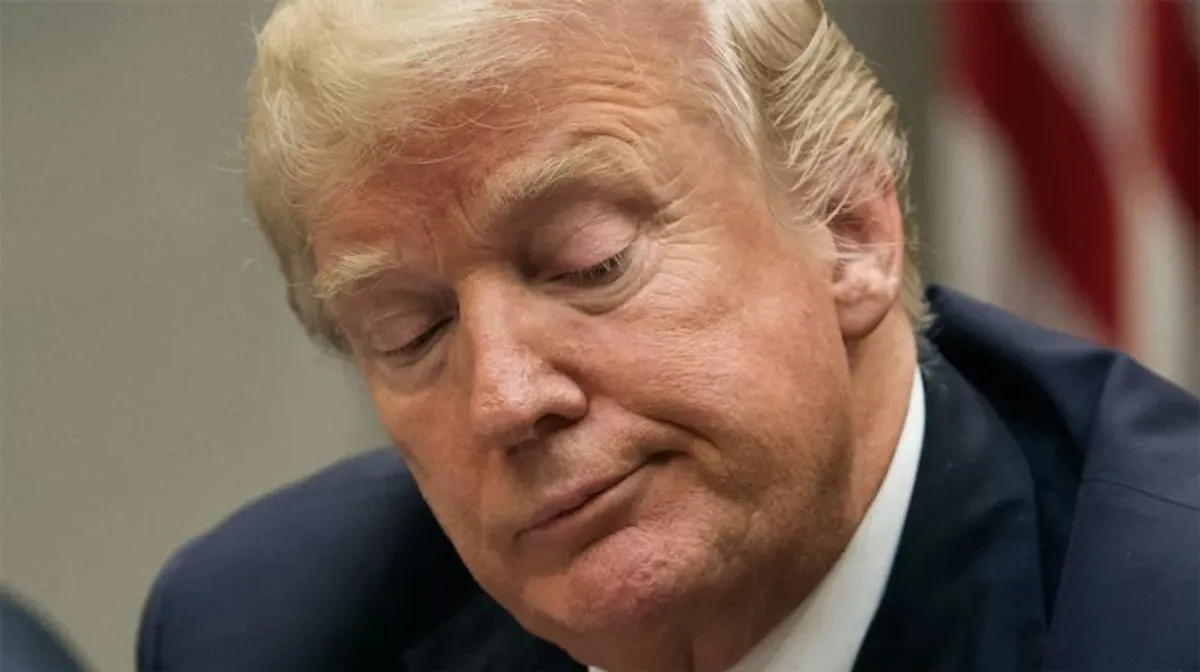
Trump reacted with fury during a White House press conference and on social media, calling the decision “deeply disappointing” and “ridiculous.” He labeled opposing justices “fools,” “lap dogs,” “unpatriotic,” a “disgrace to our nation,” and “disloyal to our Constitution,” saying he was “ashamed” of some for lacking courage. He accused them of weakness and even suggested foreign influences.
Undeterred, Trump moved quickly: He signed an order repealing the invalidated IEEPA tariffs and imposed a new 10% global tariff on almost all imports, using Section 122 of the 1974 Trade Act. This lesser-known law allows temporary tariffs (up to 15%) for 150 days to address balance-of-payments issues or trade imbalances – something no president has used this broadly before.
The new 10% levy takes effect Tuesday, February 24, at 12:01 a.m. Eastern Time, with exemptions for critical minerals, certain foods (beef, tomatoes, oranges), pharmaceuticals, passenger vehicles, energy products, and more. It layers on top of remaining tariffs under other laws (like national security or unfair practices). Trump insisted existing trade deals (including with India) remain intact and vowed to pursue “great alternatives” to protect American workers.
The decision opens the door to potential refunds of billions – possibly over $175 billion – for importers who paid the now-illegal tariffs, though the process will be complex and likely involve more litigation in the Court of International Trade. Markets showed mixed reactions: some relief from the old tariffs ending, but fresh uncertainty from the new ones.
This ruling limits presidential power to unilaterally reshape global trade, forcing Trump to rely on Congress or narrower tools for his “America First” agenda. It could ease short-term pressure on exporters worldwide – including Pakistan’s textile sector – but the temporary 10% tariff (ending around July unless extended) keeps trade tensions high as negotiations and potential retaliations loom.